
Protecting Wood Surfaces From Seasonal Breakdown
Deck Staining & Refinishing in Euclid for outdoor wood exposed to freeze-thaw cycles and summer UV intensity
SAID Project Development applies deck staining and refinishing treatments across Euclid properties where winter moisture penetration and summer heat cause rapid wood deterioration. The freeze-thaw cycling common in this region opens wood grain, allowing water intrusion that leads to splintering, cracking, and structural weakening. Proper staining seals the surface before seasonal damage compounds, preventing the kind of deep wood rot that requires board replacement rather than surface restoration.
Deck refinishing removes existing failed coatings, addresses surface damage, and applies protective treatments that resist moisture and UV degradation. New deck staining establishes a baseline defense against weathering, while restoration work reverses existing deterioration before applying fresh protection. The treatment selected depends on current wood condition, exposure level, and how long the deck has gone without maintenance.
Schedule an on-site deck evaluation to determine the appropriate treatment level based on current wood condition.
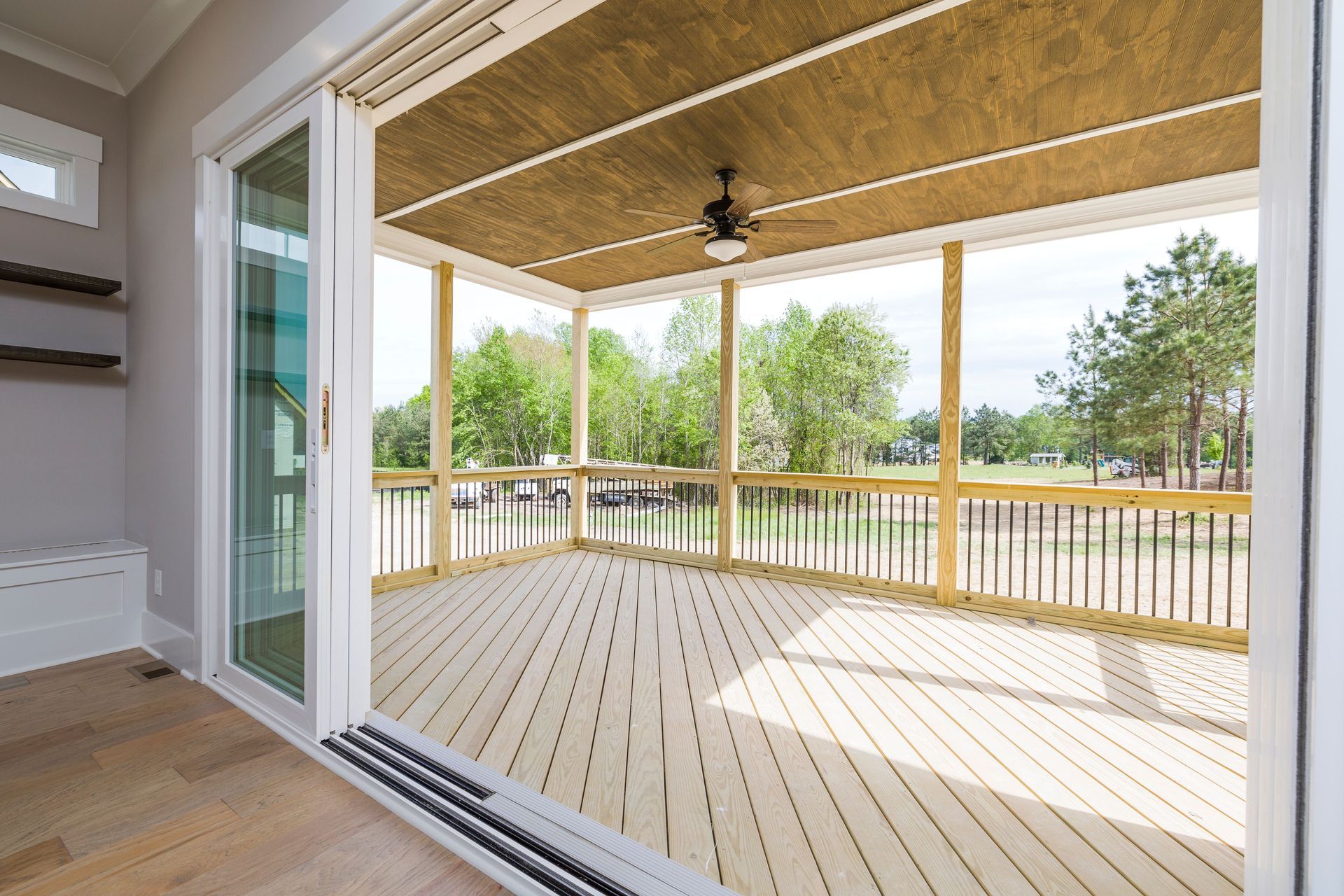
What Proper Wood Preservation Requires
Preparation determines how well protective coatings bond and how long they last. Surface cleaning removes dirt, mildew, and deteriorated coating residue that prevent new stain from penetrating wood fibers. Sanding addresses splintered areas and smooths raised grain caused by moisture cycling, creating a uniform surface that accepts stain evenly. Wood preservation treatments penetrate deeper than surface stains, reinforcing cellular structure in areas where weathering has already begun breaking down the material.
Once treatment completes, you'll see consistent color without blotchy areas where old coating or uneven absorption created irregular appearance. Water beads on the surface rather than soaking into the wood, which is the visible confirmation that sealing has created a moisture barrier. Splintered sections feel smooth, and high-traffic areas no longer show the gray discoloration that indicates untreated weathering.
Maintenance programs establish recurring inspection and reapplication schedules based on deck exposure and coating type. Horizontal surfaces facing south or west require more frequent attention than shaded or vertical components. Timing maintenance before protective layers fully break down prevents the need for more extensive restoration work later.
What Homeowners Ask About Deck Treatments
Deck condition questions come up frequently before restoration projects begin, particularly regarding timing and what different treatment levels accomplish.
How do you determine whether a deck needs staining or full refinishing?
The decision depends on whether existing coating is intact but faded, or whether it's peeling and exposing bare wood. When water no longer beads on the surface and the wood shows gray discoloration, refinishing that includes stripping and sanding becomes necessary rather than simply recoating over failing material.
What preparation happens before stain application?
Pressure washing removes surface contaminants, mildew, and loose material. Sanding addresses splintered areas and opens wood grain for better stain penetration. Any damaged boards get replaced before treatment begins, since staining won't structurally repair wood that's already rotted or cracked through.
How does Euclid's climate affect how often decks need retreatment?
The freeze-thaw cycling from late fall through early spring causes more rapid coating breakdown than climates with stable winter temperatures. Most horizontal deck surfaces require reapplication every two to three years, while vertical railings and shaded areas often last four years between treatments.
What's the difference between deck sealing and deck staining?
Sealers provide moisture protection with little to no color change, while stains add pigment that blocks UV rays in addition to sealing against water. Stains offer better protection for older wood or high-exposure areas because the pigment shields against sun damage that clear sealers don't address.
When should deck staining be scheduled for best results?
Application works best when temperatures stay between 50 and 90 degrees with low humidity, typically late spring or early fall. The wood needs 48 hours without rain after application for proper curing, and it should be dry for at least two days before treatment begins so moisture doesn't get trapped under the new coating.
SAID Project Development evaluates wood condition, existing coating status, and exposure factors to recommend the treatment level that prevents further deterioration. Request a deck assessment to identify which areas need full refinishing versus maintenance staining.