
Surface Cleaning That Prepares for Coating
Light Demolition Services in Euclid for clearing interior spaces before remodeling work begins
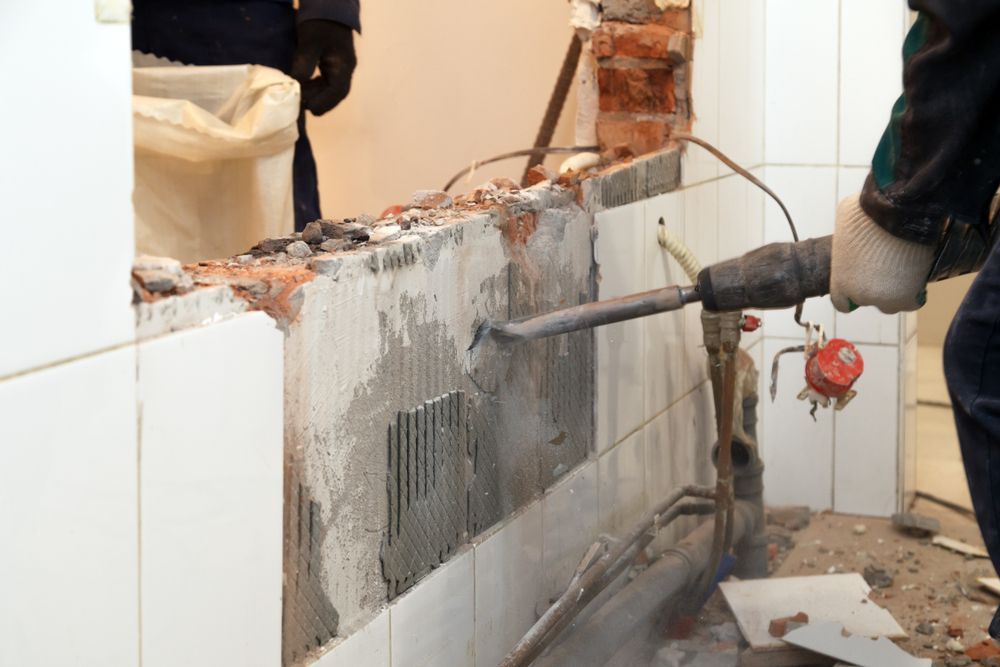
Kitchen and bathroom tear-outs require removing cabinets, countertops, fixtures, and flooring without damaging plumbing lines, electrical conduit, or structural framing that remains in place for the renovation. SAID Project Development handles interior demolition across Euclid properties where outdated or damaged materials need removal before new installations proceed. The work involves controlled dismantling that preserves what stays while eliminating what goes, which prevents the kind of accidental damage to hidden systems that turns a simple tear-out into a repair project before the actual remodel even starts.
Wall and partition removal opens floor plans or creates access for new layouts, while flooring removal strips down to subfloor level for replacement installation. The process identifies which walls carry load and which serve only as partitions, determines where utilities run, and sequences removal to avoid unnecessary mess in areas that aren't part of the renovation scope. Renovation preparation establishes a clean workspace with properly protected adjacent areas.
Request a demolition consultation to review which elements require removal and how to sequence the work with your renovation timeline.
What Changes After Tear-Out Completes
Demolition proceeds in reverse order of original construction, removing finish materials first and working back toward structural components. Cabinets and fixtures detach before flooring comes up, and flooring removes before accessing subfloor or wall cavities. This sequence minimizes damage to surfaces that remain and reveals any hidden issues like water damage, outdated wiring, or structural concerns that need addressing before new installation begins.
Once tear-out finishes, you're left with exposed framing, subfloor, and roughed-in utilities ready for the next construction phase. Debris is removed rather than left piled in adjacent rooms, and dust containment prevents the fine particulate from migrating throughout the home. Doorways and HVAC returns receive temporary barriers during active demolition to limit contamination of areas outside the work zone.
The scope defines what gets removed versus what stays protected in place. Partial demolition requires more precision than full gut work because adjacent surfaces need protection from impact, dust, and incidental contact during removal. Fixtures with salvage value can be carefully disconnected rather than destroyed, though this adds time compared to simply smashing out material headed for disposal.
Answers to Frequent Service Questions
Renovation planning often includes questions about what demolition actually involves and how it affects project timing and budget.
What happens to utilities during interior demolition?
Water supply gets shut off before fixture removal, and electrical circuits serving the demo area get disconnected at the panel. Gas lines require capping by licensed plumbers before any work near appliances proceeds, ensuring no active utilities remain exposed once demolition completes.
How long does a typical kitchen or bathroom tear-out take?
A standard bathroom tear-out usually completes in one to two days, while kitchen demolition often takes two to three days depending on cabinet quantity and whether walls are being removed. Flooring removal adds time based on square footage and material type, with tile taking longer than vinyl or laminate.
What debris removal is included in light demolition services?
All demolished material gets hauled away as part of the service, including cabinets, drywall, flooring, fixtures, and trim. Disposal fees typically factor into the estimate, though items containing asbestos or other regulated materials require separate abatement before standard demolition proceeds.
How do you protect areas adjacent to the demolition zone?
Temporary barriers seal doorways and HVAC returns to contain dust. Drop cloths and floor protection prevent damage to finished surfaces in hallways or rooms that connect to the work area. In multi-unit buildings, noise restrictions and debris removal paths get coordinated to minimize disruption to neighbors.
Why does flooring removal sometimes reveal subfloor damage?
Water leaks from fixtures, appliances, or exterior intrusion often go unnoticed until flooring comes up. Euclid's freeze-thaw cycles can cause foundation cracks that allow groundwater seepage, creating subfloor rot that only becomes visible once finish flooring is stripped away.
SAID Project Development sequences demolition to reveal underlying conditions before new construction begins, preventing surprises that delay renovation timelines. Schedule a walkthrough to identify demolition requirements and coordinate the work with your overall remodeling plan.