
Paint That Protects Surfaces Long-Term
Interior & Exterior Painting in Euclid for surfaces with peeling finishes and wood trim that absorbs moisture
Paint peels when it's applied over dirty surfaces or when moisture pushes through from behind, lifting the coating away from the substrate. SAID Project Development completes residential and commercial painting in Euclid, preparing surfaces properly before any finish goes on so the coating bonds and lasts. Interior wall and ceiling painting involves patching holes, sanding rough areas, and priming stains so they don't bleed through topcoats. Exterior siding and trim painting includes scraping loose material, caulking joints where water penetrates, and priming bare wood so it doesn't absorb moisture that causes swelling and rot.
Painting addresses problems like faded color that makes buildings look neglected, exposed wood that weathers gray and splits along the grain, and interior walls with visible damage from nails, drywall anchors, or water stains. Surface preparation removes contaminants and creates texture that helps paint adhere, which determines how long the finish lasts before it needs recoating.
Request an estimate that includes surface preparation requirements for your specific project.
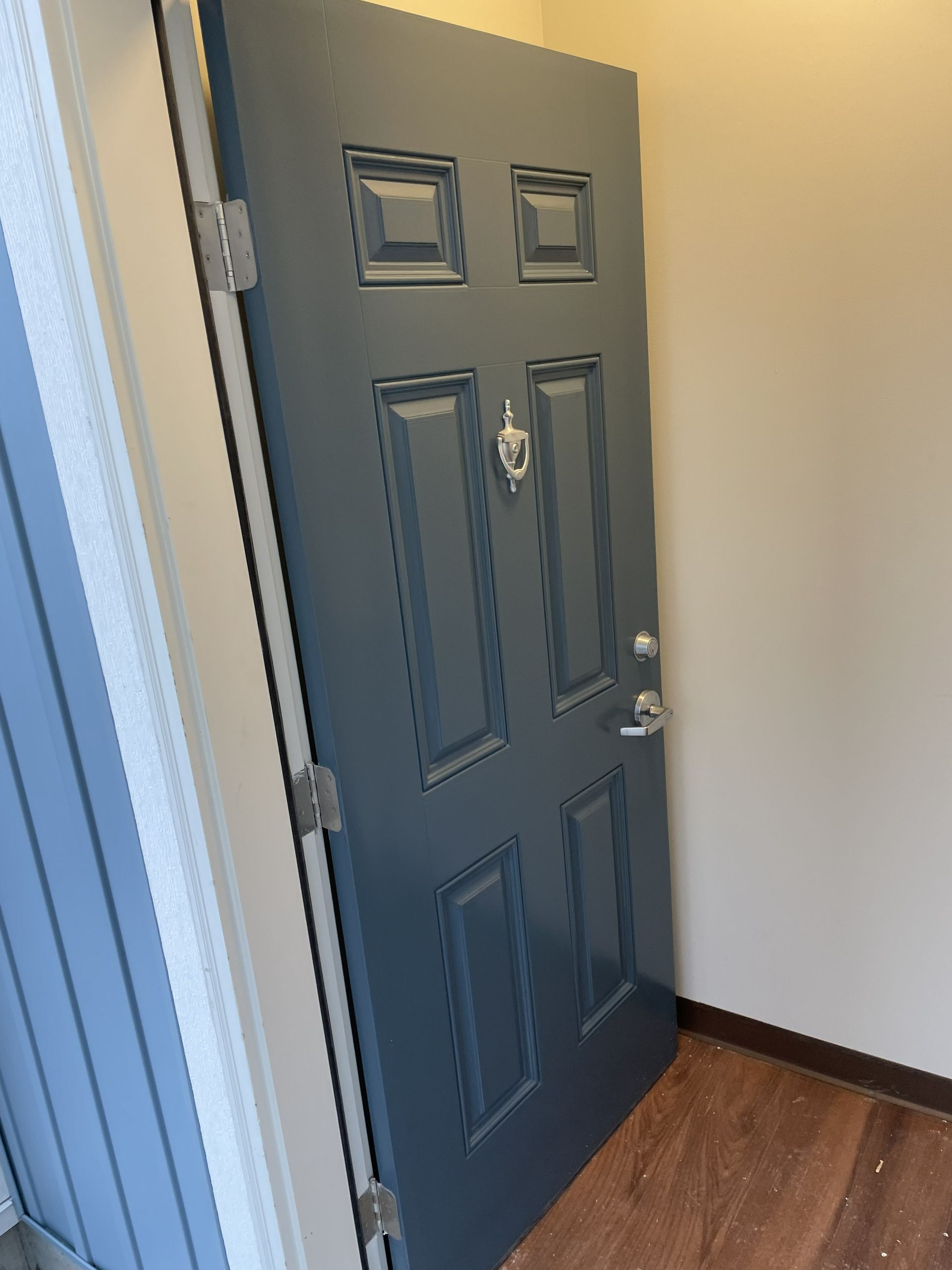
Why Surface Preparation Determines Paint Longevity
Exterior painting begins with pressure washing to remove dirt, mildew, and chalky residue that prevents paint from sticking, followed by scraping and sanding areas where old paint has cracked or blistered. Bare wood gets primed with oil-based or shellac primers that seal the surface and block tannins from bleeding through latex topcoats, which shows up as brown staining on light-colored finishes. Caulking fills gaps around trim, windows, and siding joints so water doesn't infiltrate and cause the substrate to rot behind the paint.
After painting, you'll see consistent color without streaks or thin spots where the old surface shows through, trim joints that are sealed and won't let water behind the siding, and finishes that don't peel at edges or corners because the paint bonded to clean, properly primed surfaces. Interior painting leaves walls smooth without visible patching marks or texture differences, and ceilings that appear uniform in sheen without lap marks where sections were rolled at different times.
The number of coats depends on color change and substrate condition—darker colors covering light surfaces typically need two coats for even appearance, while repainting similar colors may only require one coat after proper priming. Exterior work in Euclid is best scheduled during dry weather when temperatures stay above fifty degrees, which allows paint to cure properly without moisture interfering with adhesion.
Questions Before Starting Your Project
Painting projects vary in complexity depending on surface condition, material type, and whether the work is interior or exterior, so clarifying what's involved helps set realistic timelines and expectations.
What surface preparation is required before painting over existing coats?
Preparation includes washing to remove dirt and grease, scraping or sanding loose or flaking paint, filling cracks and holes with spackling or caulk, and priming bare spots or stains so they don't show through the finish coat.
How does weather affect exterior painting schedules in Euclid?
Paint needs temperatures above fifty degrees and low humidity to cure properly, and rain within 24 hours of application can wash uncured paint off surfaces or cause poor adhesion, so work is scheduled around forecasted dry periods.
Why do some painted surfaces show brush marks or roller texture?
Visible marks occur when paint is applied too thickly, when it starts to dry before being smoothed out, or when lower-quality paint with poor leveling properties is used instead of paints formulated to self-level as they dry.
What's the difference between interior and exterior paint formulations?
Exterior paints contain UV inhibitors and mildewcides that protect against sun exposure and moisture, along with more flexible binders that expand and contract with temperature changes without cracking, while interior paints prioritize washability and low odor.
When should trim and siding be primed separately before topcoats?
Priming is necessary on bare wood, over stains or dark colors that would bleed through, and on surfaces that have been heavily sanded or patched, because primer seals the substrate and provides uniform absorption so topcoats appear even.
SAID Project Development evaluates surface conditions during estimates and outlines preparation steps specific to your project. Contact the team to discuss your interior or exterior painting needs and schedule a walkthrough.