
Walls That Look Finished
Drywall Installation & Repair in Euclid for holes from damage and ceilings with visible water stains
Drywall repairs start when you notice holes larger than a nail pop, cracks that spread across seams, or ceiling stains from leaks that have since been fixed but left discoloration and texture damage behind. The repair process involves cutting out damaged sections, installing backer material or new drywall, taping and mudding seams so they disappear under paint, and matching existing texture so patches blend with surrounding surfaces. SAID Project Development handles new drywall installation and repairs in Euclid, addressing everything from small patching jobs to water damage restoration that requires replacing entire ceiling sections after plumbing leaks or roof failures.
Drywall problems occur when fasteners pull through because they weren't driven into studs, when moisture weakens the gypsum core causing it to crumble, and when foundation settling creates cracks along seams between panels. Proper installation means fastening panels to framing members at correct intervals, taping joints with paper or mesh tape embedded in joint compound, and applying multiple coats of mud that are sanded smooth between layers until seams are invisible.
Schedule an evaluation to review wall and ceiling damage and determine whether patching or panel replacement is needed.
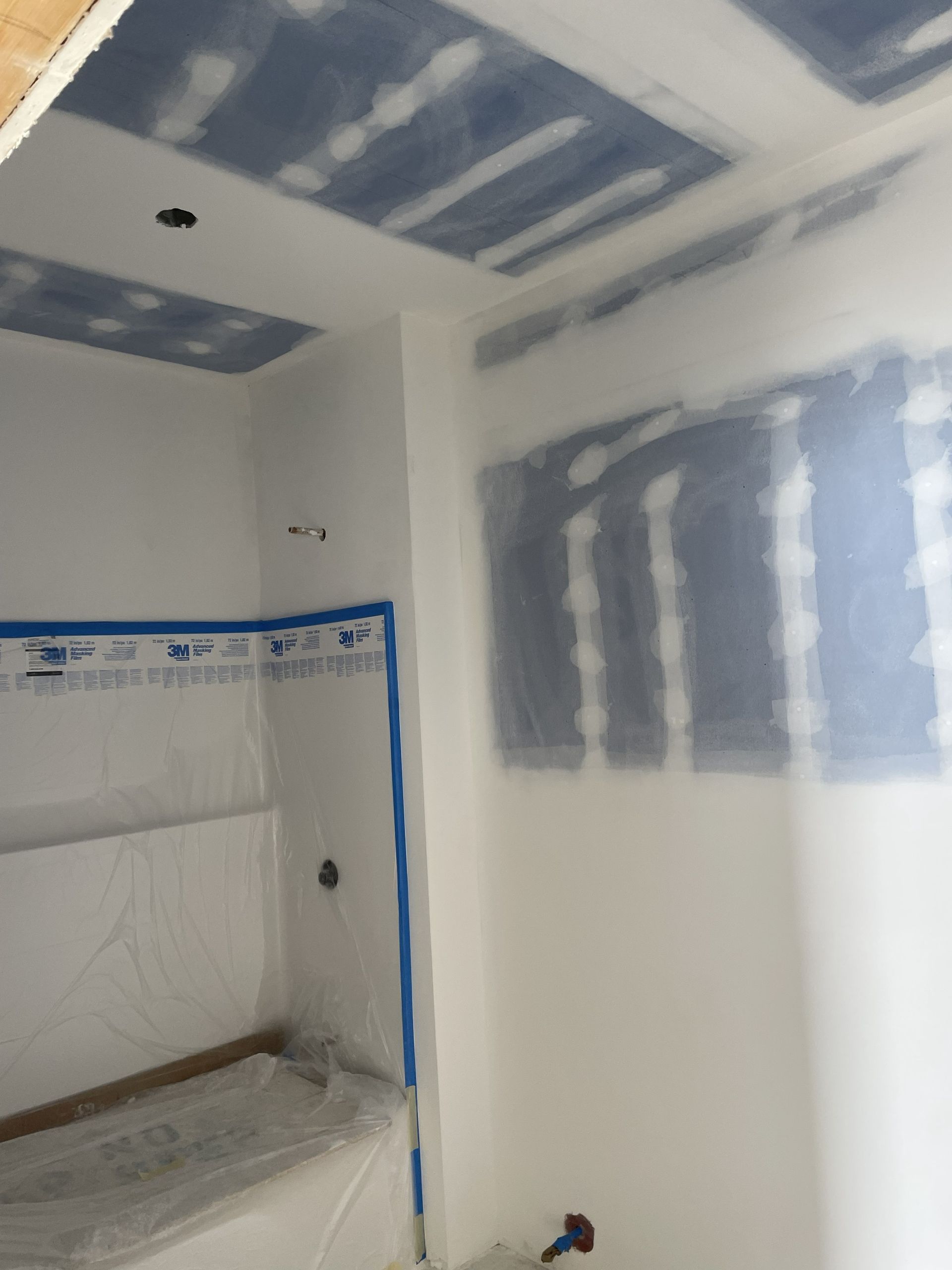
What Drywall Repairs Actually Accomplish
Patching involves cutting the damaged area into a clean square or rectangle, installing backing material like wood strips or a drywall clip system that supports the patch edges, then securing a new piece that's slightly smaller than the opening so joint compound can fill the perimeter. Joint compound is applied in layers—first to fill the gap and embed tape, then feathered out six to eight inches beyond the patch so the transition is gradual and won't show as a raised lump after painting.
After repairs are complete, you'll see walls and ceilings that appear continuous without visible seams, patches, or depressions where damage was removed, and surfaces that are smooth to the touch without ridges or rough spots from excess compound. Texture matching replicates existing patterns like orange peel or knockdown finishes using the same tools and techniques that created the original texture, so repaired areas don't stand out as flat spots on otherwise textured walls. Water damage restoration includes replacing insulation behind drywall if it got wet, checking framing for mold, and ensuring the moisture source is fixed before new material goes up.
New drywall installation for additions or basement finishing involves hanging panels horizontally to minimize seams, staggering joints so they don't align vertically, and using screws spaced eight inches apart on ceilings and twelve inches apart on walls for secure attachment. Ceiling repairs sometimes require additional blocking between joists if the original framing doesn't provide enough support where panels meet.
What Property Owners Usually Ask
Drywall work in Euclid ranges from small cosmetic repairs to large-scale installations, so questions about techniques, materials, and what constitutes proper finishing come up regularly.
What determines whether drywall should be patched or replaced entirely?
Patching works for damage smaller than a foot across and when surrounding material is solid, while full panel replacement makes sense when water has softened large sections, when mold is present, or when multiple cracks indicate the panel has lost structural integrity.
How is texture matched so repairs blend with existing walls?
Texture matching requires identifying the original pattern—orange peel, knockdown, skip trowel, or smooth—then using the same applicator and technique to replicate it, which involves testing on scrap material until the pattern matches before applying to the repair.
Why do some drywall repairs crack again after they're finished?
Cracking recurs when the underlying cause wasn't addressed, such as foundation movement that's still active, framing that flexes under load, or fasteners that weren't secured to solid backing and pull loose as the building shifts with seasonal temperature changes.
What's involved in drywall water damage restoration in Euclid?
Restoration includes removing wet or stained drywall, checking insulation and framing for moisture and mold, allowing affected areas to dry completely, treating mold if present, then installing new drywall and finishing it to match the existing surface.
When should joint compound be sanded between coats during drywall installation?
Sanding happens after each coat dries fully, which removes ridges from trowel marks and levels high spots, but excessive sanding creates dust and removes too much compound, requiring additional coats to fill low areas that were over-sanded.
SAID Project Development matches repair methods to the scope of damage and ensures finishes blend seamlessly with existing surfaces. Reach out for a consultation to assess your drywall concerns and review options for patching or replacement.